Integrative Physical Therapy for Persistent Symptoms
There's more to your symptoms than meets the eye.
Blending clinical expertise, contemporary pain neuroscience, and individualized treatment to help you better understand your symptoms and explore new possibilities for recovery.

When treatment doesn't translate into recovery.
You've tried physical therapy, medication, meditation, and countless other approaches, yet your symptoms persist. You may find yourself caught in a cycle of managing discomfort, avoiding flare-ups, and gradually narrowing your activities and experiences.
Perhaps you've been given several explanations for your symptoms, but addressing the factors you've been told are responsible hasn't led to meaningful improvement.
When the explanation doesn't fully account for your experience, it may be worth reconsidering the assumptions guiding your treatment. For many people, recovery remains possible, even after years of persistent symptoms.
The science of symptoms. The possibility of change.
Pain and other physical symptoms aren't simply a reflection of what's happening in your body. They're experiences produced by the nervous system, influenced by a complex interplay of biological, psychological, and contextual factors.
This means that even when structural findings or physical limitations are present, they may not tell the whole story. Our expectations, previous experiences, learned responses, and perceptions of threat can also influence how symptoms develop and persist.
At Alchemy Physio, Dr. Erin Brunelle integrates physical therapy, contemporary pain neuroscience, and evidence-informed approaches like Pain Reprocessing Therapy to better understand what's contributing to your symptoms and create opportunities for lasting, meaningful change.
What does recovery look like?
-
Our work begins with understanding your symptoms, health history, and previous treatment experiences. Together, we'll explore the factors that may be contributing to your symptoms and consider where a different approach might be useful.
Depending on your needs, sessions may include movement and physical interventions, exploring beliefs and fears surrounding your symptoms, techniques to change learned responses to symptoms, or working with emotional patterns and experiences.
Because the mind and body aren't separate, addressing neuroplastic symptoms often involves working with thoughts, emotions, beliefs, and expectations. Sessions may therefore look quite different from conventional physical therapy, even as the work remains grounded in a clinical understanding of physical symptoms.
-
Neuroplastic symptoms are real physical experiences that can develop or persist through learned processes in the nervous system, rather than being driven primarily by ongoing tissue damage or disease.
Determining whether these mechanisms may be contributing to your symptoms involves reviewing your medical history, clinical findings, and symptom patterns. Structural diagnoses don't automatically rule out neuroplastic mechanisms, and the two can coexist. Our work begins by considering the available evidence rather than assuming every persistent symptom has the same cause.
-
Recovery looks different for everyone. Some people experience significant improvements within a few sessions, while others benefit from a longer course of treatment. The duration of symptoms doesn't necessarily predict how long recovery will take, and progress isn't always linear.
Rather than committing to a predetermined number of sessions, we'll evaluate your response to treatment as we go, with the goal of helping you achieve meaningful, lasting improvements and greater freedom in your daily life.
-
Yes! I offer virtual pain recovery coaching to clients outside Arizona, while physical therapy services are limited to clients located in Arizona.
Much of our work with neuroplastic symptoms can be done remotely, including exploring symptom patterns, changing learned responses, and addressing the thoughts, emotions, and expectations that influence symptoms. We'll determine which services are appropriate and available based on your location and needs.
Have more questions? Visit the Working Together page for information about appointments, fees, and what to expect.
Meet Dr. Erin Brunelle, PT
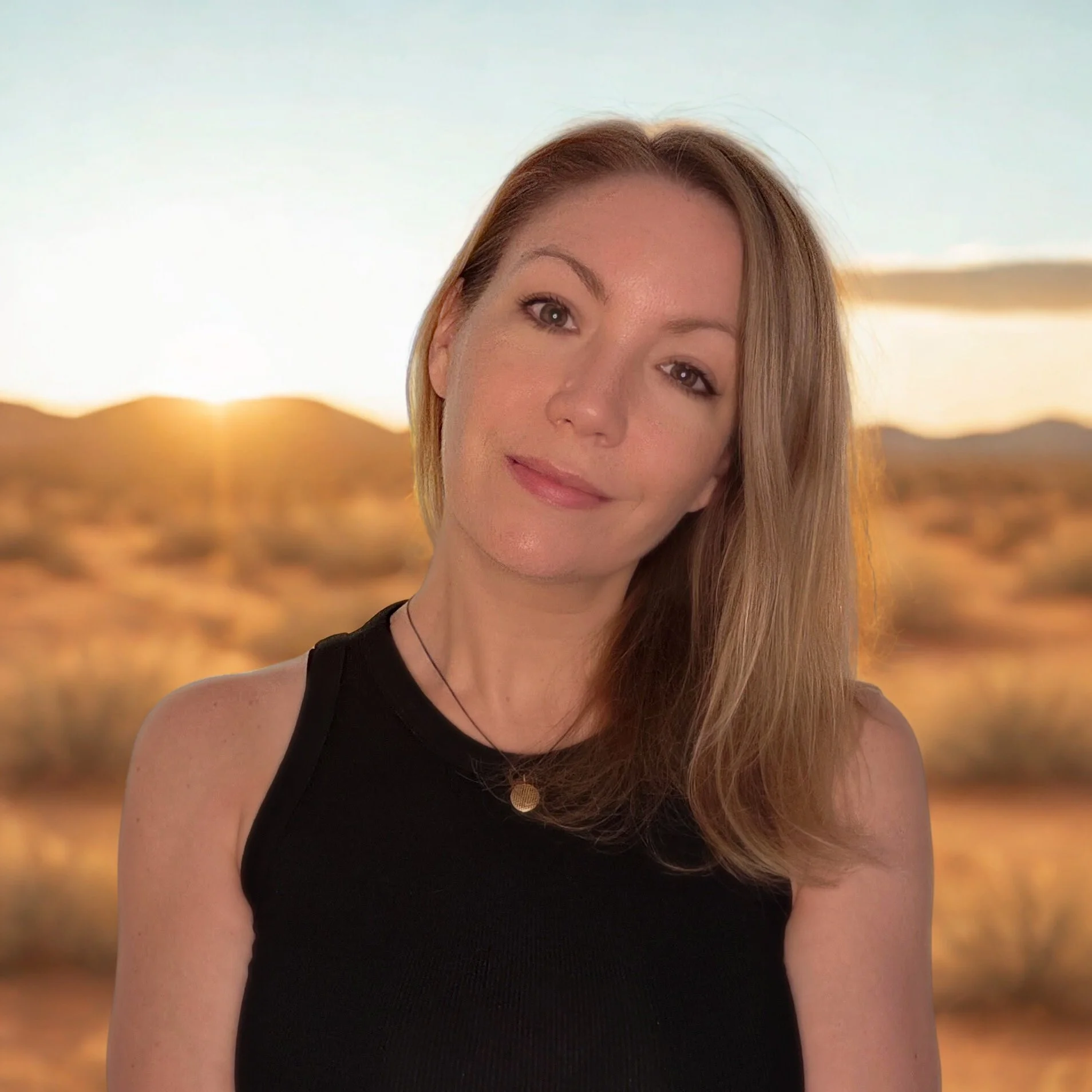
Hi, I’m Erin, a licensed and board-certified physical therapist specializing in persistent pain and neuroplastic symptoms.
My approach has evolved through years of clinical practice and a growing appreciation for how the brain creates and maintains physical symptoms. What began with traditional orthopedic physical therapy expanded into contemporary pain neuroscience, Pain Reprocessing Therapy, and experiential approaches that address the relationships between our physical, cognitive, and emotional experiences.
Today, my work focuses on helping people understand the mechanisms contributing to persistent symptoms and apply that understanding toward meaningful recovery.
I believe good clinical care requires both scientific rigor and a willingness to question what we think we know.
Let’s explore what’s possible.
Ready to take the next step? Schedule your first appointment online, or get in touch to arrange a complimentary 15-minute consultation if you'd like to connect before getting started.